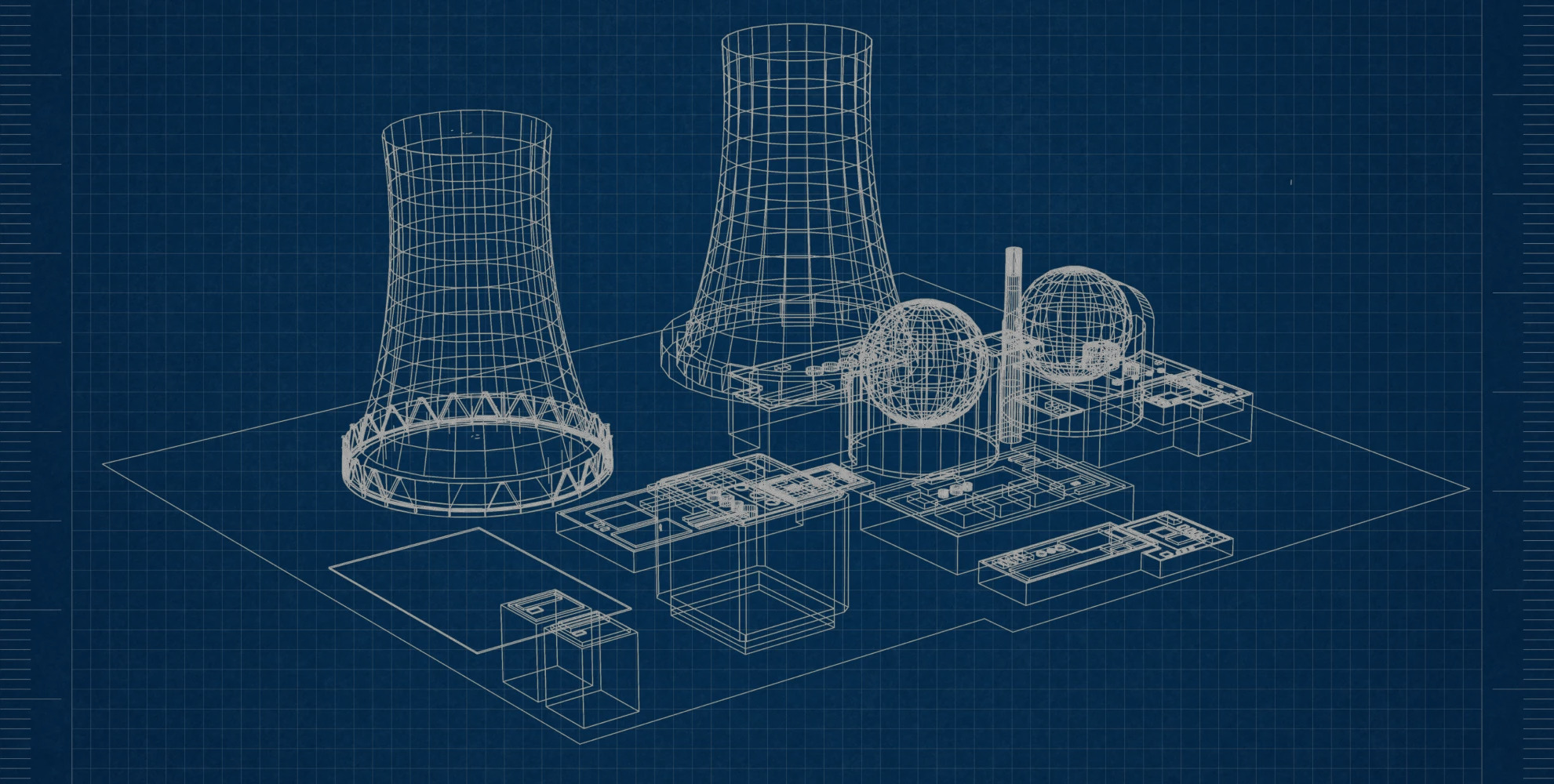

Industrial automation engineering focuses on the design and integration of control systems that govern industrial processes. We develop structured automation architectures that enable precise control, real-time monitoring, and safe operation of complex industrial environments. Our approach ensures that process logic, instrumentation, and control infrastructure operate as a unified and deterministic system.
We design complete automation systems including:
• Control system architecture from field devices to supervisory systems
• PLC hardware and logic structure definition
• SCADA system architecture and operator interface design
• Distributed control system (DCS) integration frameworks
• Instrumentation signal architecture and I/O mapping
• Industrial communication network design (Ethernet/IP, Profibus, Modbus, etc.)
• Alarm management philosophy and prioritization structures
• Safety interlock logic and fail-safe design principles
We ensure that every control function is clearly defined, traceable, and validated against process
requirements.

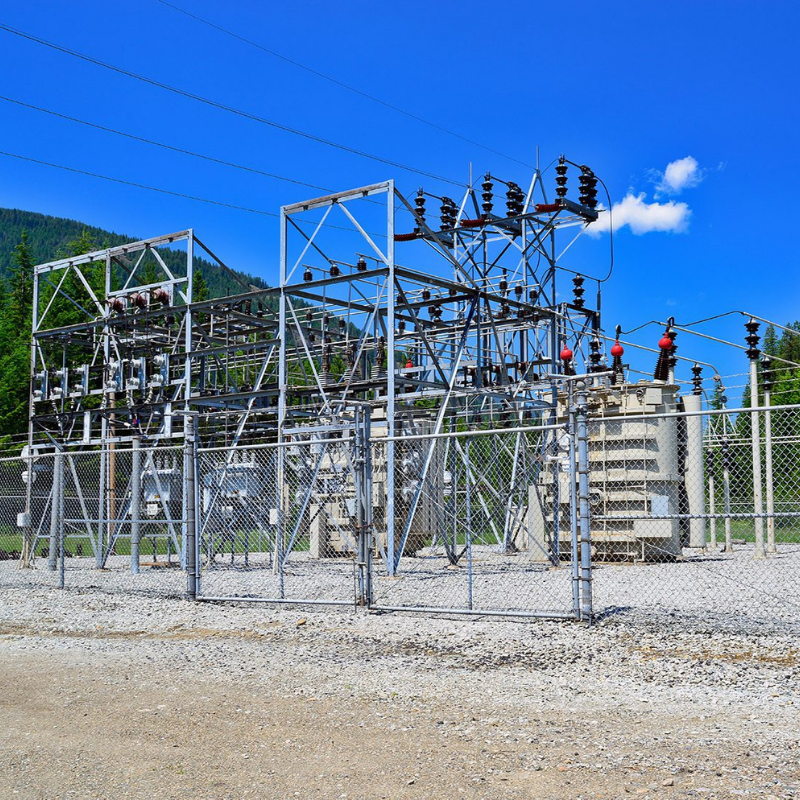
Automation engineering begins with process functional analysis, identifying operational sequences,
dependencies, and safety constraints.
We develop structured control philosophies that define:
• Start-up and shutdown sequences
• Interlock conditions and permissive logic
• Alarm thresholds and escalation hierarchy
• Manual vs automatic operation modes
• Emergency shutdown (ESD) responses
Communication networks are engineered for reliability, redundancy, and deterministic performance,
ensuring uninterrupted data exchange between field devices and control systems.
We also define instrumentation architecture including sensor selection criteria, signal conditioning,
calibration requirements, and redundancy for critical measurements.
Industrial automation is applied in:
• Manufacturing and production lines
• Water and wastewater treatment facilities
• Oil and gas processing systems
• Mining and materials handling operations
• Energy and utility infrastructure
• Large-scale process industries
• Complete control philosophy documentation
• PLC and SCADA system architecture design
• Functional design specifications (FDS)
• Instrumentation and I/O databases
• Control network topology design
• Alarm and event management structures
• Safety interlock and shutdown logic frameworks
We design automation systems that improve operational reliability, reduce human error, and increase process efficiency. Our control architectures are structured for scalability, maintainability, and long-term operational clarity.