Compliance is a core foundation of every electrical engineering solution we deliver. We ensure that all designs, calculations, and technical documentation fully align with applicable United States federal regulations, national electrical standards, and recognized industry codes. Every project is engineered with compliance embedded from the earliest design stage, not treated as a final review step. This approach ensures that safety, performance, and regulatory approval are achieved simultaneously, reducing project risk and supporting smooth progression through permitting, construction, and commissioning phases across all industrial and commercial applications.
All engineering work is developed in accordance with applicable U.S. federal and nationally
recognized standards, including:
• National Electrical Code (NEC / NFPA 70) for electrical installation safety and system design
requirements
• Occupational Safety and Health Administration (OSHA) regulations for workplace electrical safety
compliance
• National Fire Protection Association (NFPA 70E) for electrical safety in the workplace and arc flash
hazard control
• Institute of Electrical and Electronics Engineers (IEEE) standards for system studies, protection
coordination, and power system analysis
• National Electrical Safety Code (NESC) where applicable for utility and external electrical
infrastructure
• Federal Energy Regulatory Commission (FERC) requirements for grid-connected and generationrelated systems (where applicable)
These standards form the technical baseline for all electrical system designs, ensuring consistency,
safety, and regulatory alignment across every project.
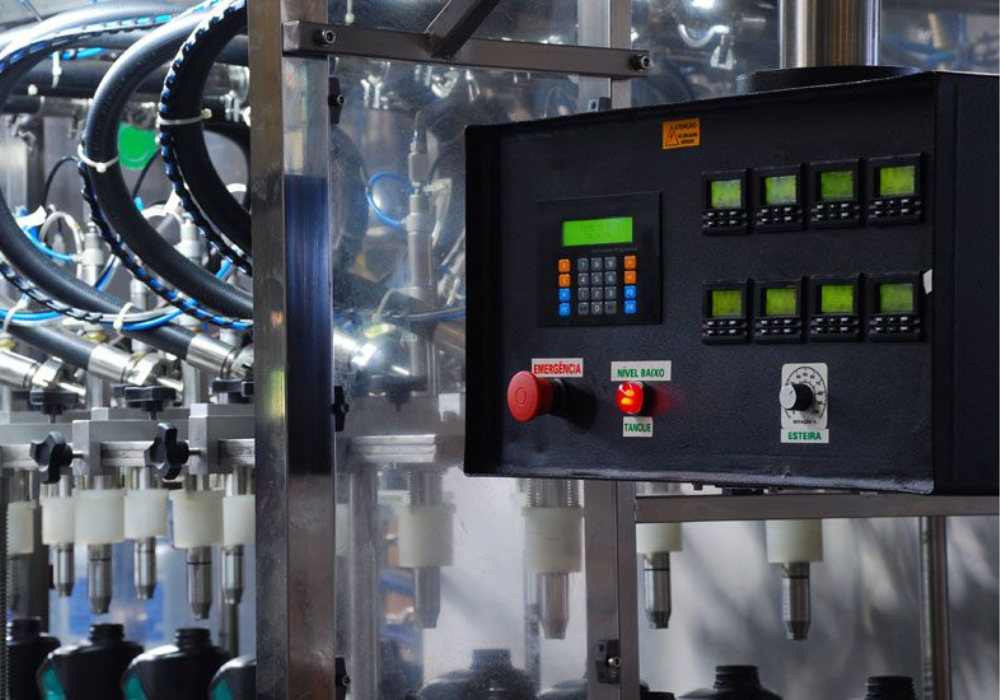

Compliance is not applied as a separate review stage; it is integrated directly into the engineering
workflow. Every system is evaluated against applicable code requirements during design
development, including conductor sizing, equipment ratings, fault current withstand capability, and
protection coordination.
We ensure that electrical systems meet NEC requirements for:
• Overcurrent protection and coordination
• Conductor ampacity and derating conditions
• Grounding and bonding systems
• Equipment accessibility and working clearances
• Short-circuit protection and interrupting ratings
• Emergency and standby power system requirements
This embedded approach reduces redesign risk and ensures that compliance is achieved at the
engineering level rather than corrected during construction.
Electrical safety is addressed through structured engineering analysis aligned with NFPA 70E requirements. We evaluate arc flash boundaries, incident energy levels, and required personal protective equipment (PPE) categories based on system configuration and fault conditions. Protection systems are designed to ensure safe fault isolation and controlled energy dissipation. This includes coordination between upstream and downstream devices to minimize exposure time during fault events and reduce operational hazards for maintenance personnel.
We produce comprehensive engineering documentation packages designed to support permitting,
inspection, and regulatory approval processes. This includes clearly structured calculations, system
studies, and technical reports that demonstrate compliance with applicable codes and standards.
Deliverables typically include:
• Load calculations and demand analysis reports
• Short-circuit and fault level studies
• Protection coordination study reports
• Arc flash hazard analysis documentation
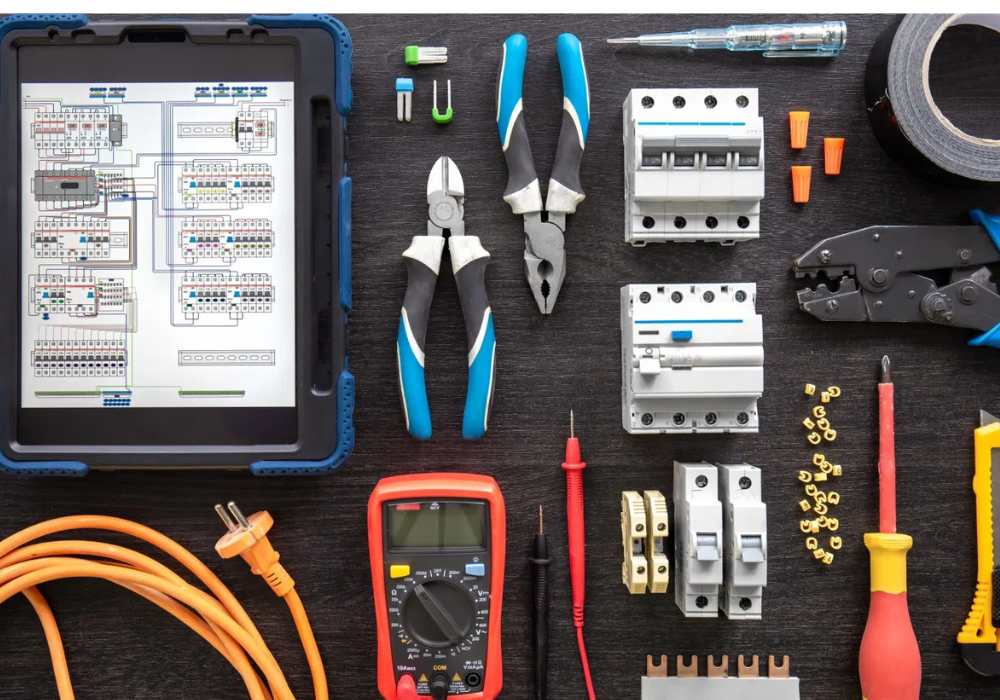
• Single-line diagrams and system schematics
• Equipment specification sheets aligned with NEC requirements
These documents are structured to provide clarity for authorities having jurisdiction (AHJs), utility
providers, and project stakeholders.
Where systems interface with utility networks, we ensure alignment with applicable interconnection
requirements, including utility-specific technical standards and IEEE-based grid compatibility
criteria. This includes system stability, fault contribution control, and protection coordination at the
point of common coupling.
We also evaluate voltage regulation, harmonics, and power quality performance to ensure systems
operate within acceptable utility limits and do not adversely impact external networks.
We maintain full compliance with all applicable United States federal electrical regulations on every project we undertake. Our engineering process is structured to ensure that safety, reliability, and regulatory approval are achieved through design integrity rather than post-design correction. This commitment ensures that every system we deliver is technically robust, code-compliant, and ready for approval, construction, and long-term operation within regulated electrical environments.