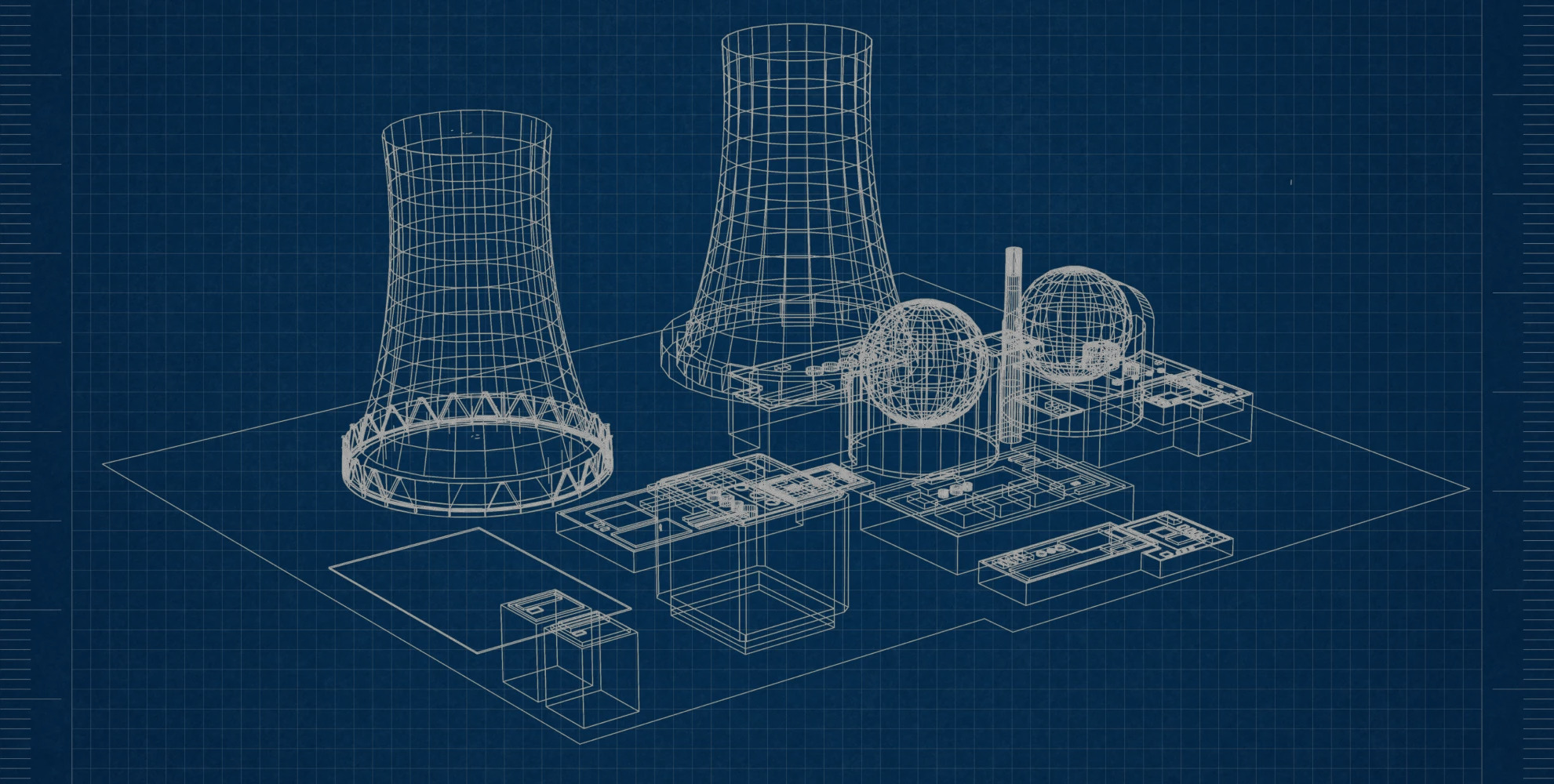

Electrical systems design is the foundational engineering discipline that defines how electrical
energy is generated, transformed, distributed, protected, and utilized within a facility. We deliver
fully engineered electrical system designs for industrial plants, commercial developments, and
infrastructure projects, translating operational requirements into safe, compliant, and technically
robust electrical architectures.
Our work ensures that every electrical system is correctly structured from the earliest design stage,
avoiding downstream operational limitations, inefficient layouts, or protection deficiencies.
We provide complete electrical system design packages that define the full electrical backbone of a
facility. This includes high-level system architecture through to detailed construction-ready
documentation.
Our scope covers:
• Electrical system topology definition (radial, ring, or hybrid networks)
• Voltage level selection and system segmentation
• Load categorization and demand allocation across plant areas
• Equipment selection criteria for switchgear, transformers, MCCs, and distribution boards
• Fault level assessment and system withstand capability verification
• Protection philosophy definition and coordination boundaries
• Cable system design including routing strategy, sizing, and derating factors
• Earthing and bonding system design integrated with fault current return paths
• Integration of standby and emergency power interfaces
Each design is developed to ensure that all electrical components operate as a coordinated and
technically consistent system rather than isolated elements.
Our engineering methodology is based on deterministic system modelling and compliance-driven
design validation. We begin with load composition analysis, identifying continuous, intermittent,
and critical loads and their operational dependencies.
We then perform electrical network modelling to determine:
• Maximum demand conditions
• Diversity and simultaneity factors
• Fault current contributions across the network
• Voltage stability under transient and steady-state conditions
System architecture is iteratively refined to ensure that equipment ratings, protection devices, and
cable systems are fully coordinated. Protection discrimination studies are integrated early in the
design phase to avoid cascading failure risks.
We also perform thermal and derating analysis for cables and equipment based on installation
environment, grouping factors, and ambient conditions.
Electrical systems design is essential in:
• Industrial manufacturing facilities with complex load profiles
• Commercial developments requiring structured distribution systems
• Infrastructure projects with multi-source supply arrangements
• Process industries with continuous operation requirements
• Facilities requiring high reliability and redundancy levels
Full electrical system architecture design
Detailed single-line diagrams (SLDs)
Load distribution and demand analysis reports
Equipment technical datasheets and selection matrices
Cable schedules with routing and sizing calculations
Earthing and fault current return system design
Protection coordination conceptual frameworks
Engineering design reports for approval and construction
We ensure that electrical systems are not only compliant, but structurally optimized for reliability, maintainability, and long-term operational resilience. Our designs reduce lifecycle risk by addressing system behavior at the architectural level rather than relying on reactive upgrades.